Wired Science
"The peptide gold rush."
Views expressed in this science and technology update are those of the reporters and correspondents. Accessed on 21 September 2026, 2302 UTC.
Content and Source: "Wired Science."
https://mail.google.com/mail/u/0/#inbox/FMfcgzQhWTvgxrcdQHcjgpZtJvblMkTr
Please check email link or scroll down to read your selections. Thanks for joining us today.
Russ Roberts (https://hawaiisciencemonitor.blogspot.com).
|

Bodegas are the land of plenty. You’ve got your soda and candy, your rolling papers and potato chips, and of course your bacon, egg, and cheese on a roll. (Pro tip: add hash browns to level up.) And now you’ve also got your chance to grab injectable peptides. At least, that’s how they’re being labeled. We picked up four vials of peptides and tested them. The analyses revealed that there were low levels of heavy metals and endotoxins, meaning they likely weren’t actively harmful. Good! Unfortunately, the testing also revealed that they weren’t peptides. It’s possible they were mislabeled or mishandled, or some other mistake was made along the way from the lab to the counter. But what is clear is that ponying up $376.20 for peptides at a bodega with the hope of settling your gut, healing faster, or improving your libido is probably not the best use of your hard-earned money. The tests get at one of the problems with the peptide industry writ large. There’s little federal oversight, but there’s a groundswell of interest in peptides—short chains of amino acids that people from Joe Rogan to Health Secretary Robert F. Kennedy Jr. say have a lot of benefits despite minimal research backing up some of those claims. That’s created conditions for little-known vendors to thrive. To wit: The company behind the bodega peptides, INDR Labs, didn’t respond to our request for comment, and shortly after we reached out, its website began requiring login credentials. You can read our full story about how we tested them and what it says about the peptide gold rush. Also on my radar: The continuing saga over math and AI. We spoke with mathematicians who feel threatened by AI and worried that the field is slipping beyond human comprehension—but they also can’t stop using AI because it’s such a game changer for their work. We’ll have more about why mathematicians love hard problems and what their field shares in common with the arts. Stay tuned! |
|

THIS WEEK’S PICKS |
| |
Those Viral Bodega Peptides Aren’t Actually Peptides By Sophie Kleeman and Kate Knibbs WIRED tested samples of four types of peptides. The results show how lightly regulated the industry is, even as popularity surges. | |
|

| |
Why AI Isn’t Likely to Wipe Out Humanity With Bioweapons By Kate Knibbs and Emily Mullin Of all the threats presented by uncontrollable artificial intelligence, scientists say death by plague ranks low. | |
|

| |
Mathematicians Hate AI. They Can’t Quit It By Isabella Ward Powerful AI models have created an existential risk to the field, but researchers can’t stop relying on them because they’re too useful. | |
|

| |
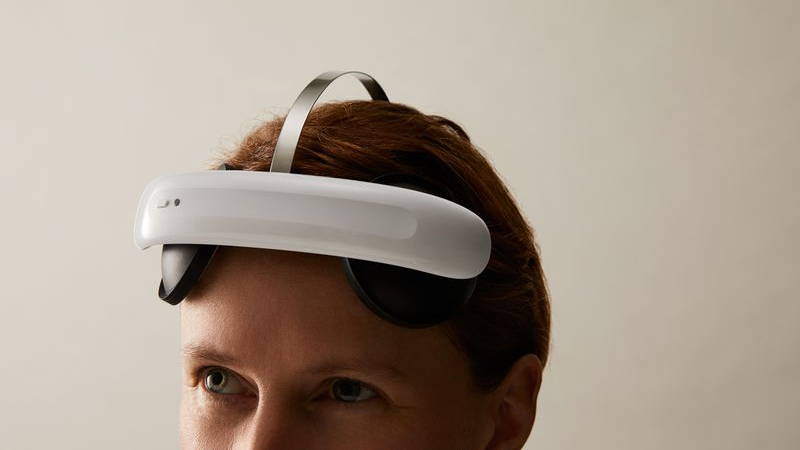
A New Headset to Help With Depression Is Now Available in the US By Emily Mullin The device made by Flow Neuroscience is approved by the FDA and could help people get off antidepressants—but it costs $2,200. | |
|
| |
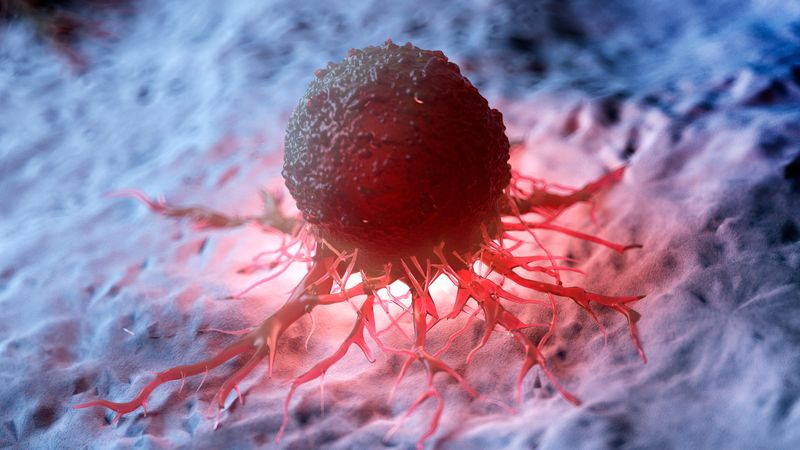
‘Smart’ Nanoparticles Deliver mRNA Directly to Tumors in New Cancer Therapy By Javier Carbajal The treatment can reprogram immune cells that have been corrupted by the cancer, strengthening the body’s ability to attack. | |
|
ELSEWHERE IN SCIENCE |
TRENDING ON WIRED |
| |
SECURITY Hackers Got Inside a Flock Camera. Its Data Shows How the System Really Works By Dhruv Mehrotra and Joseph Cox A hacker collective pulled down a Flock camera and dumped its data. The files included thousands of videos and logs showing that the device captured 1.6 million images of 50,000 vehicles in 21 days. | |
|

The Best of WIRED in Your Inbox Was this forwarded to you? Sign up. Plus, find all of our newsletters. |
This email was sent to you by WIRED. To ensure delivery to your inbox (not bulk or junk folders), Please add our email address, wired@newsletters.wired.com, to your address book.View our Privacy Policy | UnsubscribeCopyright © Condé Nast 2026. One World Trade Center, New York, NY 10007. All rights reserved. |
Comments
Post a Comment